
Amphora Wine Fermentation: A Modern Winemaker’s Guide
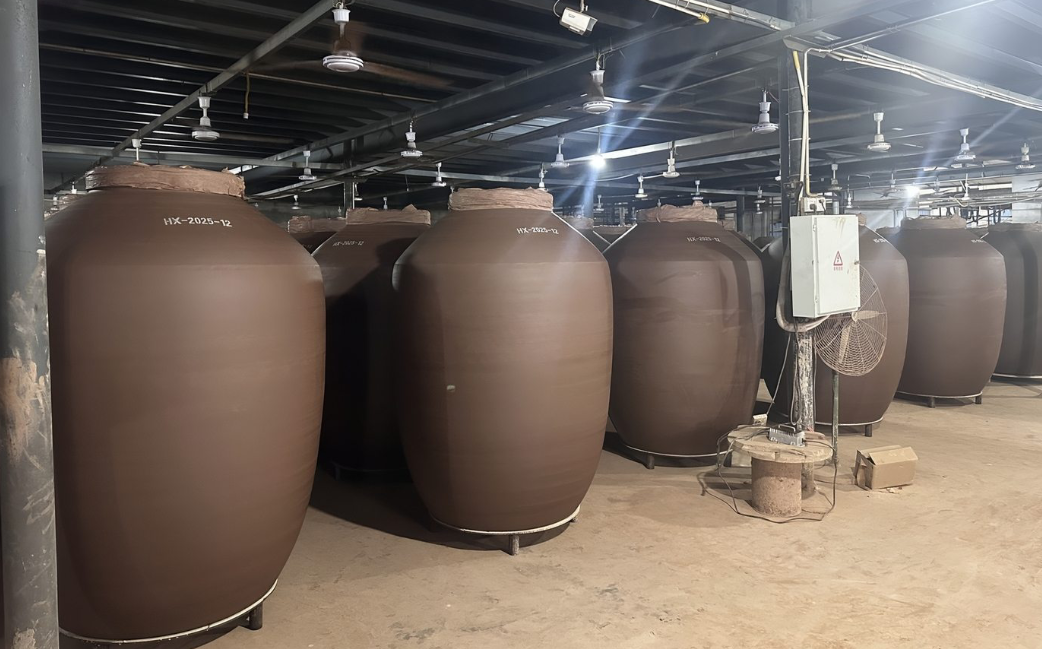
Amphora wine fermentation is no longer a niche experiment reserved for ancient traditions. Today, more and more winemakers—especially those focused on natural, terroir-driven wines—are returning to terracotta amphorae as a serious fermentation vessel.
However, fermenting wine in amphora is fundamentally different from working with stainless steel tanks or oak barrels. Without a clear understanding of preparation, oxygen control, and fermentation management, amphora winemaking can easily lead to oxidation, microbial spoilage, or inconsistent results.
This guide is written for winemakers who want practical, experience-based guidance—not theory alone—on how to successfully ferment wine in amphora.
Why Ferment Wine in Amphora?

The main reason winemakers choose amphora is not nostalgia—it is control without interference.
The core value of choosing amphora for fermentation lies in achieving a balance between precise control and natural evolution. Unlike oak barrels, amphora imparts almost no additional flavor; yet, compared to stainless steel tanks, it is not entirely inert.
The unique microporous structure of amphora allows for the participation of a suitable amount of oxygen. This natural micro-oxidation process allows the wine to slowly “breathe,” softening tannins, developing complexity, and better preserving the pure flavor characteristics of the grape variety itself. This enables winemakers to guide the wine to reveal a more authentic and elegant personality with minimal intervention.
Key benefits of amphora wine fermentation include:
● Enhanced expression of terroir
● Improved texture and mouthfeel
● Stable fermentation without wood influence
● Ideal conditions for natural and low-intervention winemaking
For producers aiming to highlight grape character rather than vessel character, terracotta amphorae provide a unique balance between oxygen exchange and neutrality.
Is Amphora Suitable for Primary Fermentation or Only Aging?
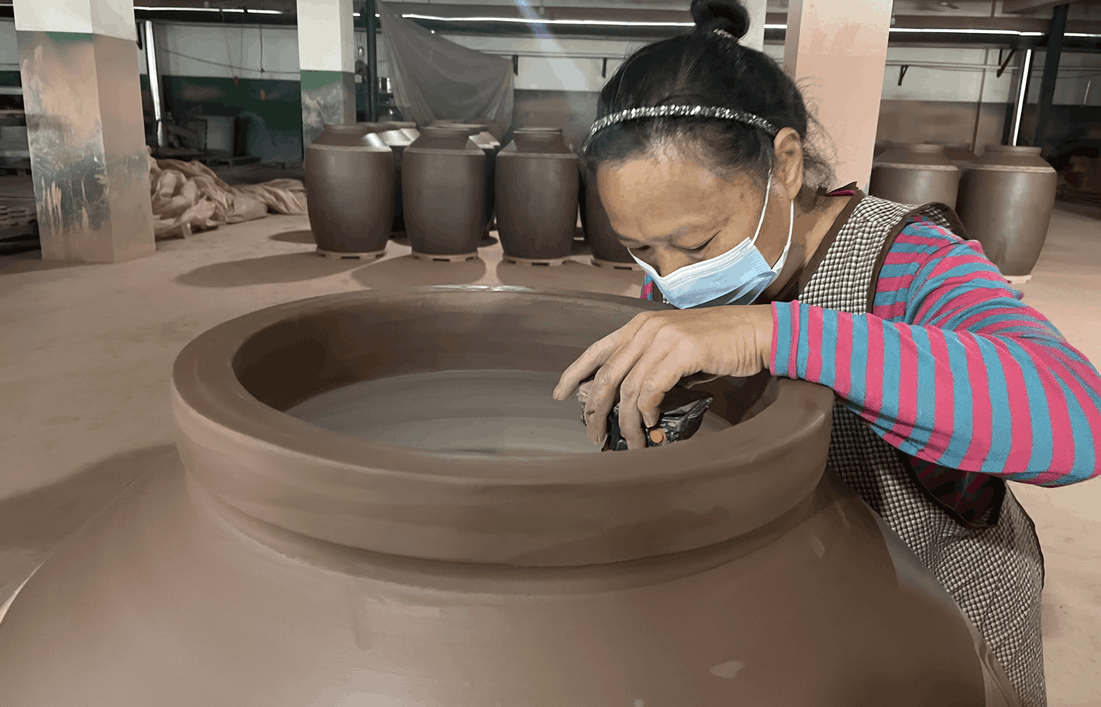
Amphora is not limited to aging. In fact, with proper design and pre-treatment, it is perfectly suitable for the primary fermentation of wine, which is why many winemakers favor it.
Compared to inert containers such as stainless steel tanks, the unique microporous structure of amphora allows for gentle oxygen exchange. This micro-oxidation, which begins early in fermentation, helps stabilize color, soften tannins, and promote the development of more complex flavors, laying a more elegant and balanced foundation for the wine’s entire life cycle.
In fact, many winemakers prefer amphora fermentation because:
● Natural convection helps maintain fermentation activity
● Clay’s thermal mass moderates temperature swings
● Gentle oxygen exposure supports yeast health
However, not all amphorae are equal. Shape, wall thickness, clay composition, and porosity all influence fermentation performance. Purpose-built terracotta amphorae for winemaking are engineered specifically to handle active fermentation, not just storage.
How to prepare an amphora for wine fermentation?
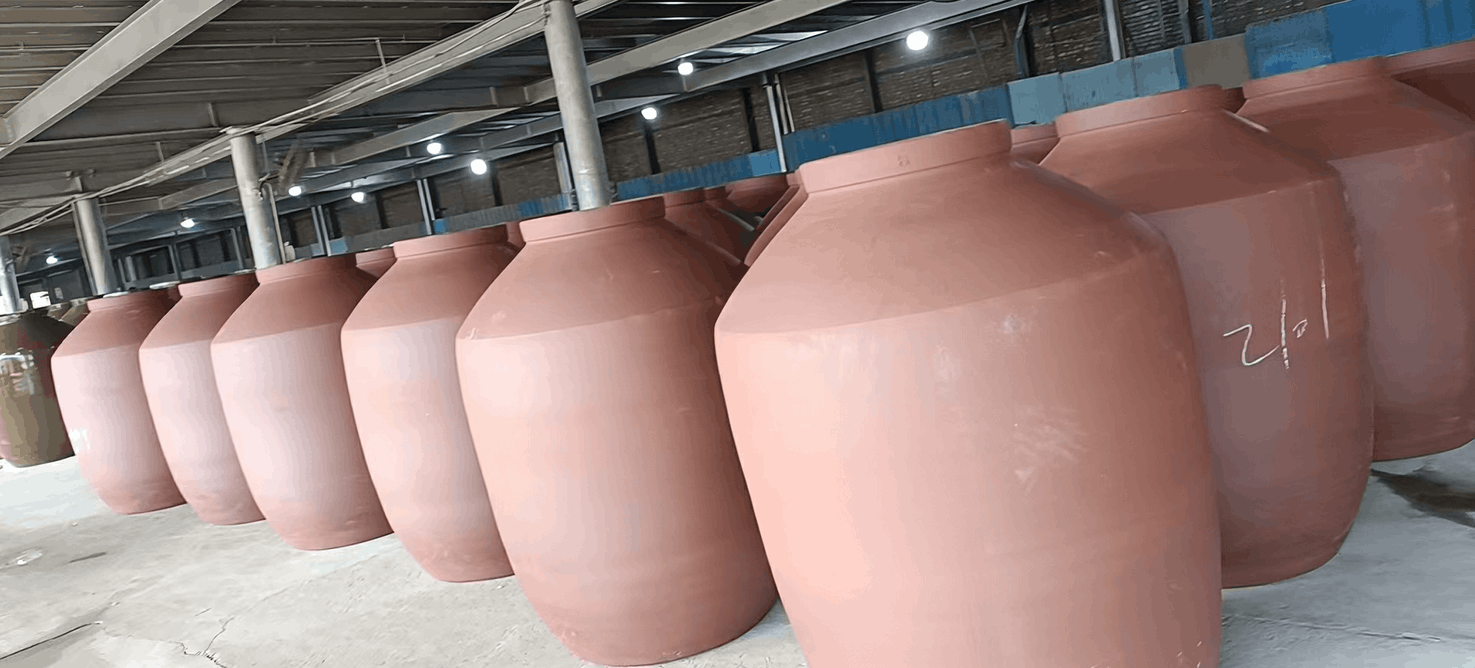 Preparing the amphora is a crucial step in determining the success of fermentation, and improper handling is a major cause of problems. This process is far more than simple washing; it aims to create a pure, stable, and suitable fermentation environment.
Unlike industrial containers, the amphora needs to be thoroughly soaked to remove internal dust and balance its porosity. It is then subjected to necessary sterilization to eliminate harmful microorganisms. These meticulous preparations ensure that the amphora becomes the ideal vessel for the natural and healthy fermentation of the wine.
Before filling an amphora with must, winemakers should focus on three key areas:
1. Cleaning and Sanitization
New amphorae must be thoroughly rinsed to remove clay dust and residues. Hot water is typically sufficient; harsh chemicals should be avoided to preserve the natural surface.
2. Managing Porosity
● Depending on the desired oxygen exchange, amphorae may be:
● Left unlined for maximum breathability
● Partially sealed with beeswax or natural resin
● Fully sealed in selected zones
The choice depends on wine style and grape variety. Many modern terracotta amphorae are offered with customizable interior treatments.
3. Leak Testing
Before fermentation, fill the amphora with water for 24–48 hours to ensure structural integrity and stable absorption.
What is the Amphora Wine Fermentation process?
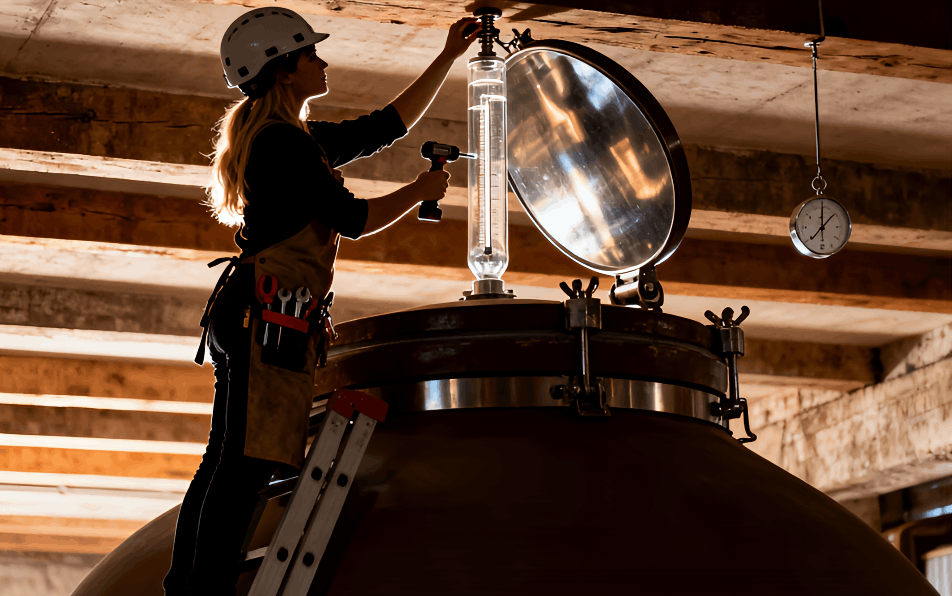
Step 1: Filling the Amphora
Fill carefully to avoid excessive oxygen pickup. For skin-contact wines, allow space for cap formation.
Step 2: Temperature Management
Although amphorae buffer temperature changes better than steel, fermentation heat must still be monitored—especially in warm climates.
Step 3: Fermentation Monitoring
Natural convection inside the amphora promotes uniform fermentation, but regular observation remains essential:
● Monitor sugar reduction
● Track fermentation aromas
● Adjust skin contact duration as needed
Step 4: Oxygen Balance
Amphora fermentation succeeds when oxygen exposure is slow and controlled, not excessive. Vessel quality plays a decisive role here.
Sealing Methods and Oxygen Control
Sealing is one of the most underestimated aspects of amphora wine fermentation.
The sealing method is a crucial element in the precise control of oxygen during amphora fermentation, and its importance is often underestimated. Different sealing materials (such as glass, clay, and silica gel) have different oxygen permeability, providing winemakers with key means to regulate the level of micro-oxidation.
By choosing the appropriate sealing method, winemakers can guide the wine to interact with oxygen at an ideal rate during fermentation and aging. This delicate control ultimately directly affects the wine’s smoothness, flavor complexity, and overall development trajectory.
Common sealing options include:
● Clay lids with natural seals
● Beeswax-sealed closures
● Food-grade silicone combined with airlocks
In terracotta amphorae fermentation, sealing is crucial for oxygen control. While trace gas exchange is allowed in the early stages of fermentation, strict sealing is essential afterward to prevent oxidation. Well-designed terracotta amphorae allow winemakers to manage this transition smoothly, thus preserving the flavor and quality of the wine.
Common Amphora Fermentation Problems And & How to Avoid Them
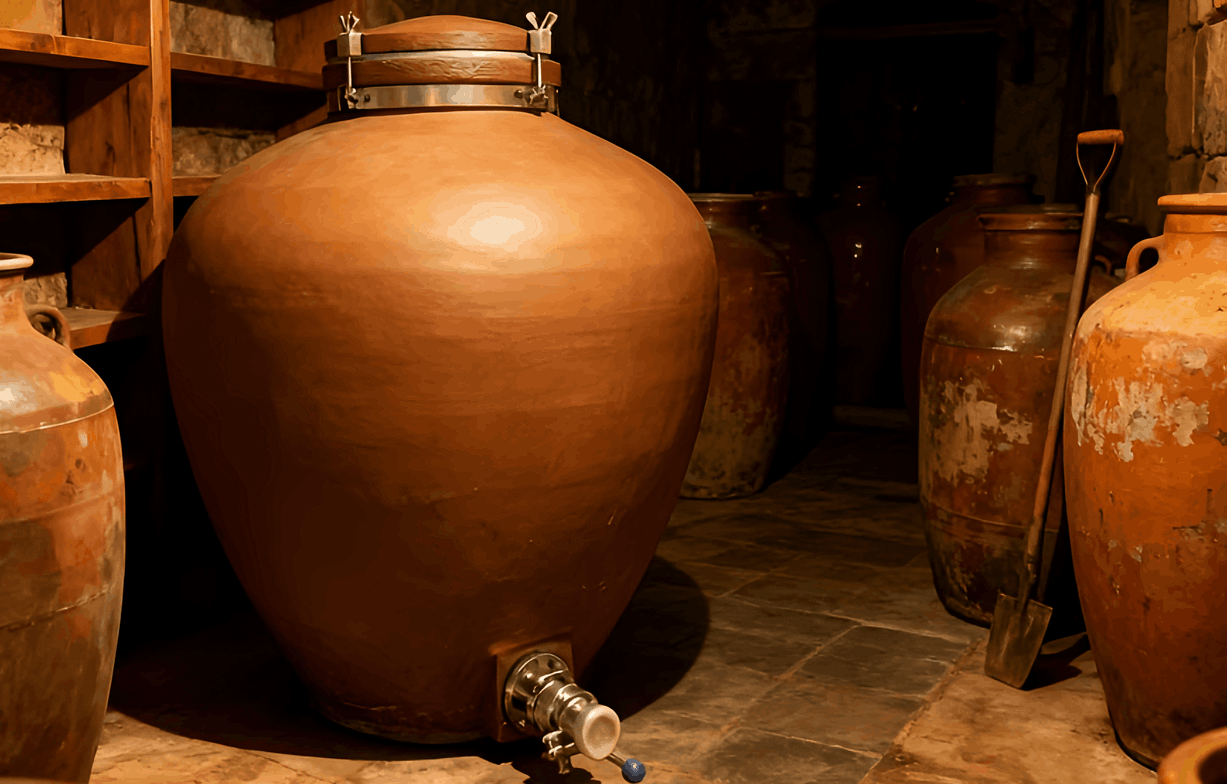
While amphora fermentation brings unique flavors, it also presents challenges such as over-oxidation, microbial contamination, or temperature instability. Even experienced winemakers can encounter these challenges:
● Oxidation – often caused by excessive porosity or poor sealing
● Microbial spoilage – linked to inadequate cleaning
● Temperature spikes – due to vessel size mismatch
● Inconsistent results – caused by uneven clay quality
Most of these issues are not caused by amphora fermentation itself, but by using vessels not designed for professional winemaking.
What are the best grape varieties for Amphora Wine Fermentation?
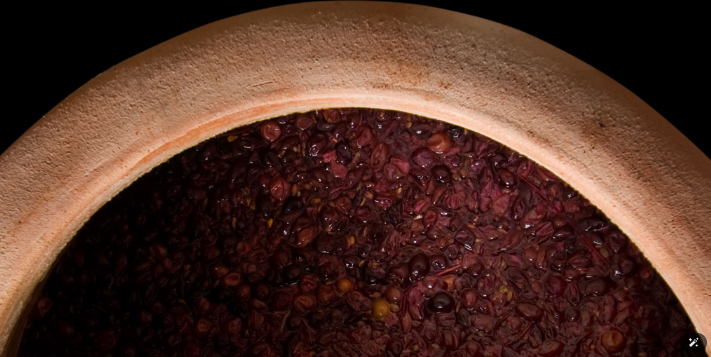
While amphora can be used with many grapes, , it is particularly effective at highlighting the pure qualities of specific varieties. For example, fruit-forward varieties such as Grenache and Carignan, as well as some white grapes like Grenache Blanc, can develop richer textures and mineralities in the micro-oxidative environment of Amphora,it performs especially well with:
● White varieties for skin-contact (orange wines)
● Indigenous or aromatic grapes
● Varieties intended for minimal intervention styles
The neutral nature of terracotta allows subtle grape characteristics to emerge without masking.
FAQs
1.Is amphora suitable for primary wine fermentation?
Yes. Properly designed terracotta amphorae are suitable for primary fermentation. Their natural thermal mass and controlled micro-oxygenation support healthy yeast activity when preparation and sealing are done correctly.
2. What is the main difference between amphora and stainless steel fermentation?
Stainless steel is fully inert, while amphora allows gentle oxygen exchange. Amphora fermentation enhances texture and terroir expression without adding external flavors.
3.Does amphora wine fermentation increase oxidation risk?
Oxidation risk depends on amphora quality, porosity, and sealing method. Professionally made terracotta amphorae are designed to balance oxygen exchange safely.
4. Do amphorae need internal lining for fermentation?
Not always. Some winemakers prefer unlined amphorae for maximum breathability, while others choose beeswax or natural resin linings depending on wine style.
5. How do you clean and sanitize an amphora before fermentation?
Hot water and gentle mechanical cleaning are usually sufficient. Harsh chemicals should be avoided to preserve the natural clay surface.
6. What grape varieties work best for amphora fermentation?
Amphorae are especially effective for aromatic whites, skin-contact wines, indigenous varieties, and natural wine styles.
7.Can amphorae be reused for multiple vintages?
Yes. With proper cleaning and maintenance, terracotta amphorae can be used for many years across multiple harvests.
8. What size amphora is best for wine fermentation?
The ideal size depends on batch volume, fermentation heat management, and winery workflow. Medium to large volumes often provide better thermal stability.
Final Thoughts: Is Amphora Fermentation Right for Your Winery?
Amphora wine fermentation is far from a shortcut; it’s a traditional technique requiring precise operation and deep understanding. Through a unique micro-oxidation process, it helps the wine develop complexity smoothly while better preserving the terroir’s true character.
If considering this method, the key is to choose a high-quality amphora specifically designed for winemaking and master its core techniques of sealing and temperature control. Proper preparation and continuous meticulous maintenance are fundamental to ensuring successful fermentation and avoiding the risks of oxidation or microbial contamination.
For wineries seeking a balance between traditional flavors and modern precision control, amphora wine fermentation offers a highly attractive option. Are you looking for reliable, high-quality amphora? HEXIN provides professional containers and technical support to help you explore the infinite possibilities of this ancient technique.