
Clay Wine Jars VS Stainless Steel Tank the Difference Between for Aging Wine
Choosing a wine container is more than just picking a vessel—it’s selecting a reliable partner for your wine brewing or aging business. For professional winemakers and vineyard owners, a key question often arises: What are the fundamental differences between terracotta wine jars (clay wine jars) and traditional stainless steel wine containers? And how do you choose the option that best aligns with your operations? In this guide, we’ll dive deep into the core distinctions between these two containers, helping you make an informed decision based on your winemaking philosophy.
If you’re one of today’s innovative winemakers searching for the ideal aging vessel for your next batch of fine wine, the debate of “Terracotta vs. Stainless Steel” has likely crossed your mind (and maybe even left you torn). The answer, at its core, depends on what you want to create with your wine. Today, we’ll explore how clay wine jars—one of the oldest wine-brewing containers in history—have carved out an irreplaceable role in an era dominated by stainless steel wine containers.
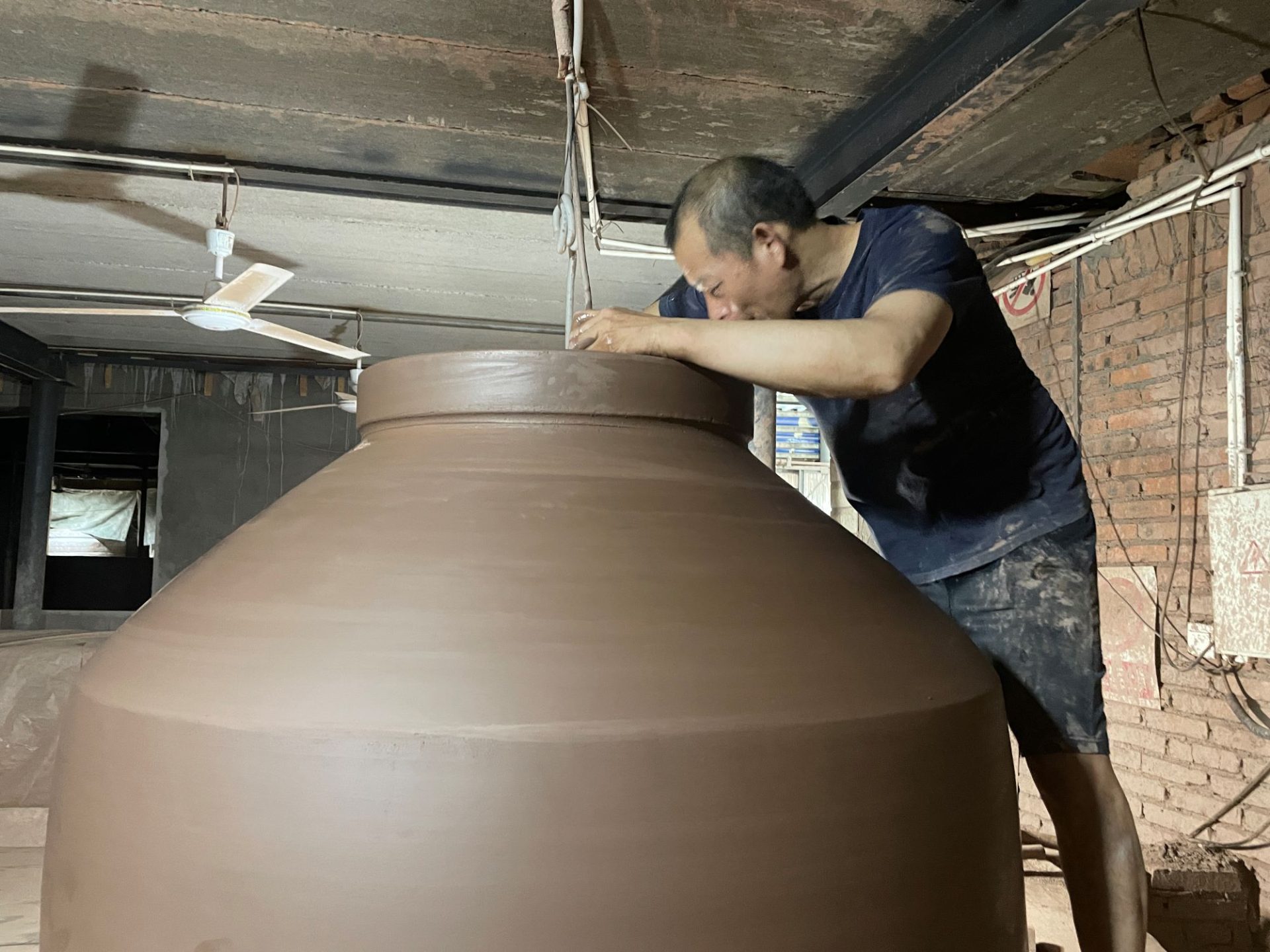
learn terracotta and stainless steel materials the essential differences between
Firstly, let’s learn their essential differences from the perspective of materials:
● Stainless Steel Wine Tanks: Control at the Core of Brewing
Stainless steel wine tanks stand out as perfectly inert containers,their core role in winemaking is protection. By completely isolating wine from the external environment, they prevent oxidation and lock in the raw, fresh fruity flavors that wine carries right after leaving the fermentation crock. For winemakers, this translates to absolute control: you can precisely maintain the wine’s intended character, with minimal external interference shaping its final taste.
● Clay Wine Jars (e.g., Amphora): Breathability as a Defining Physical Trait
Clay wine jars,including traditional Amphora wine vessels,are inherently active containers, and their brewing essence lies in interaction. Thanks to the numerous tiny pores in clay, oxygen is allowed to contact the wine slowly and continuously (a process known as micro-oxidation). At the same time, the clay itself engages in subtle mineral exchange with the wine, adding layers of complexity to its profile. Here, the winemaker’s role shifts from a controller to a guide: working in collaboration with the container to shape the wine’s natural evolution, rather than dictating every detail.
Hexin terracotta the mission is: to provide the perfect tool for your wine making
As a professional clay wine jars manufacturer, our goal isn’t to convince you to abandon stainless steel, it’s to provide an irreplaceable brewing tool that expands your winemaking expression.
We understand the concerns behind your decision: choosing clay jars means embracing the unique beauty of controlled uncertainty. That’s why our mission is to maximize the success and reliability of your project, with three core commitments:
● Precise Oxidation Control
We offer options from traditional unglazed interiors to modern partially sealed interiors, letting you select the exact oxidation level needed to match the unique requirements of different wine types.
● Guaranteed Structural Integrity
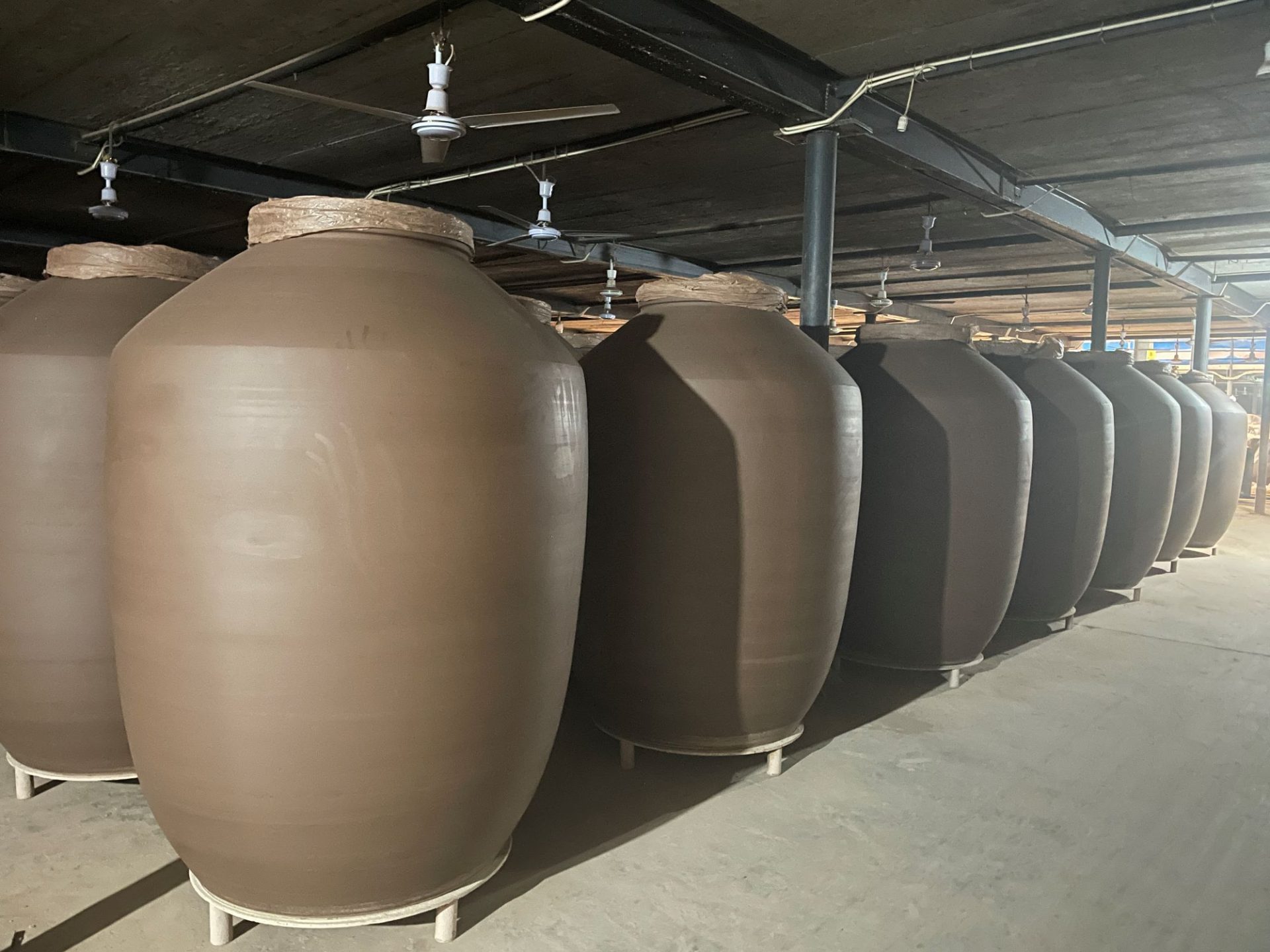
Our clay wine jars undergo professional high-fire kiln treatment, delivering excellent thermal shock resistance and structural durability. They stay stable long-term in humid cellar environments, with zero leakage risks.
● Tailored Custom Solutions
We provide fully personalized custom clay wine jars services.whether you need specific sizes, unique shapes, or special clay formulas, our team will collaborate with you to turn your vision into reality.
Frequently Asked Questions (FAQ)
Q1: Can I use stainless steel and clay jars on the same wine one after another?
Absolutely! This is a very clever strategy. Many winemakers choose to first undergo primary fermentation in stainless steel tanks to preserve the pure fruit aroma, and then transfer the wine to clay wine jars for aging, utilizing micro oxidation to soften the body and increase complexity. This achieves a ‘win-win situation’.
Q2: Are all wines aged in terracotta jars considered “natural wines”?
Not necessarily, but the two philosophies are highly overlapping. Clay wine jars are an excellent tool for natural winemakers as they promote minimal intervention in winemaking methods. However, any traditional brewer who pursues a purer expression of terroir and a more complex texture can also use it. the tool itself does not define the category of wine, the winemaker’s philosophy is the key.
Q3: For production areas with cool climate and exquisite fruit flavors, are clay wine jars too “strong”?
This is a very profound insight. Indeed, for grapes with delicate flavors, the oxidation effect of unglazed clay jars may be too strong. This is precisely why we offer partially sealed claim jars. By reducing the exposed area of the inner wall of the clay wine jar, you can achieve a very delicate oxidation effect, which can enhance the texture and layering of these exquisite wines without concealing their exquisite fruit flavors.
Conclusion
Choose the right brewing container for your wine
Ultimately, the choice between stainless steel and clay wine jars comes down to what flavor you want your wine to have.
● Choosing stainless steel is a clear and controllable path, with the goal of showcasing the purity of the variety and terroir.
● By choosing claim wine jars, you are embracing a more natural and dynamic evolution, with the goal of obtaining a vibrant wine with a unique texture, complexity, and earthy flavor.
Experienced and professional winemakers often easily handle two different types of brewing containers to meet the personalized taste needs of different customers. clay wine jars are in line with future development trends and are also the hottest topic in the brewing industry.